Manufacturer-compliant overhaul, including test bench run and in-house NDT inspection
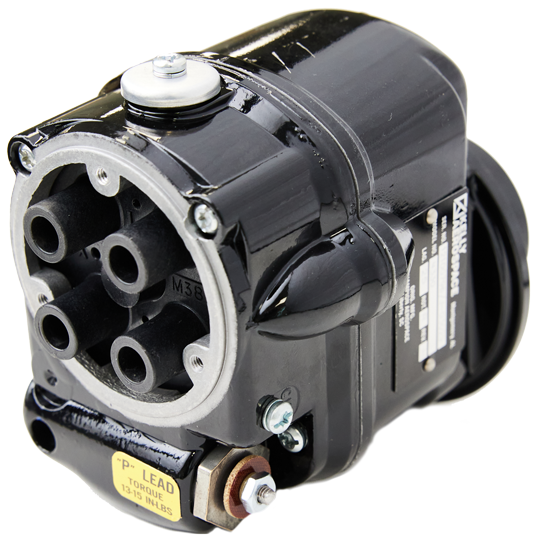
In addition to regular inspections, WMT also performs complete overhauls of ignition magnetos in accordance with the specifications provided in the respective manufacturer manuals. It is important for aircraft owners, maintenance facilities, and repair shops to note that a complete overhaul goes well beyond a simple visual or functional check.
Depending on the manufacturer, model series, and condition, the magneto is serviced in accordance with the applicable manual specifications. This process incorporates relevant Airworthiness Directives (ADs), Service Bulletins (SBs), and other manufacturer-specific requirements. The magneto is disassembled, cleaned, inspected, and reassembled using the prescribed parts and procedures; it is then tested for proper operation on our test bench.
For magnetos in particular, a professional, comprehensive overhaul is crucial, as wear, corrosion, electrical weaknesses, or the onset of cracking are not always immediately apparent through rough engine operation. The goal of such an overhaul is therefore not merely to restore functionality, but also to conduct a verifiable assessment of all relevant components against specified standard values and tolerances.
What does a major overhaul at WMT entail?
During the major overhaul, the applicable manufacturer instructions, Airworthiness Directives (AD), and Service Bulletins (SB) are taken into account. The precise scope depends on the manufacturer, the model series, and the condition and findings for the specific magneto.
Typical work steps include, among others:
- Disassembly of the magneto in accordance with the manual
- Cleaning of components, including the use of an ultrasonic bath
- Inspection of electrical and mechanical components against specified values and tolerances
- Examination of the ignition coil, capacitor, distributor cap, distributor rotor, contacts, bearings, seals, and housing
- Replacement of mandatory wear parts and seals
- Verification of applicable Service Bulletins (SBs), Airworthiness Directives (ADs/LTAs), and manufacturer-specific requirements
- Reassembly using the prescribed lubricants and procedures
- Final test run across the relevant RPM range on our test bench
- Documentation of all work performed, including a test report and a certificate of release
NTD testing in-house – a particular advantage at WMT
An important part of the complete overhaul of certain magneto series is the non-destructive testing (NDT) of the housing. At WMT, we can perform this inspection in-house.
This is a significant advantage: the housing does not need to be sent out for external inspection; the assessment remains part of our internal process, and the results can be incorporated directly into subsequent maintenance. Especially for housings that have been in service for many years, this inspection makes an important contribution to evaluating their condition and their suitability for continued use.
For the TCM/Bendix series in question—such as the D-2000/D-3000 and S-20/S-200 models—non-destructive testing (NDT) of the housing is included as part of the major overhaul.
Complete overhaul according to the manual
Each magneto is serviced in accordance with the manufacturer’s current specifications. This means that the work is not carried out based on general discretion, but rather follows the procedures, tolerances, and inspection steps prescribed by the manufacturer.
For Slick magnetos, we use the specified original spare parts during a major overhaul. This ensures that the maintenance remains traceable, compliant with the manufacturer’s requirements, and clearly documented for future records.
Final test run and documentation
Following assembly, the magneto is tested on our test bench across the relevant speed range. The results are documented. You will receive a test report detailing the work performed—including target and actual values—along with the corresponding release documentation.
This results in a transparent and documented maintenance process, which serves as the basis for the subsequent release of the magneto.